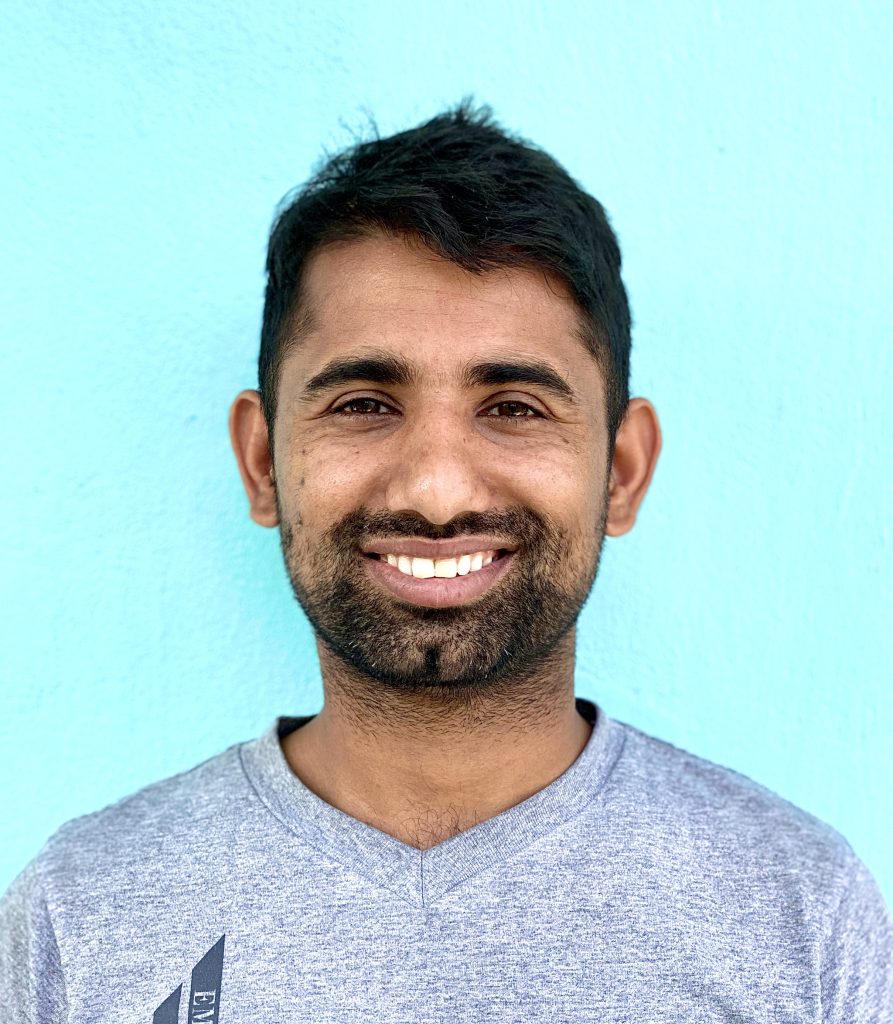
Ranjan Dahal

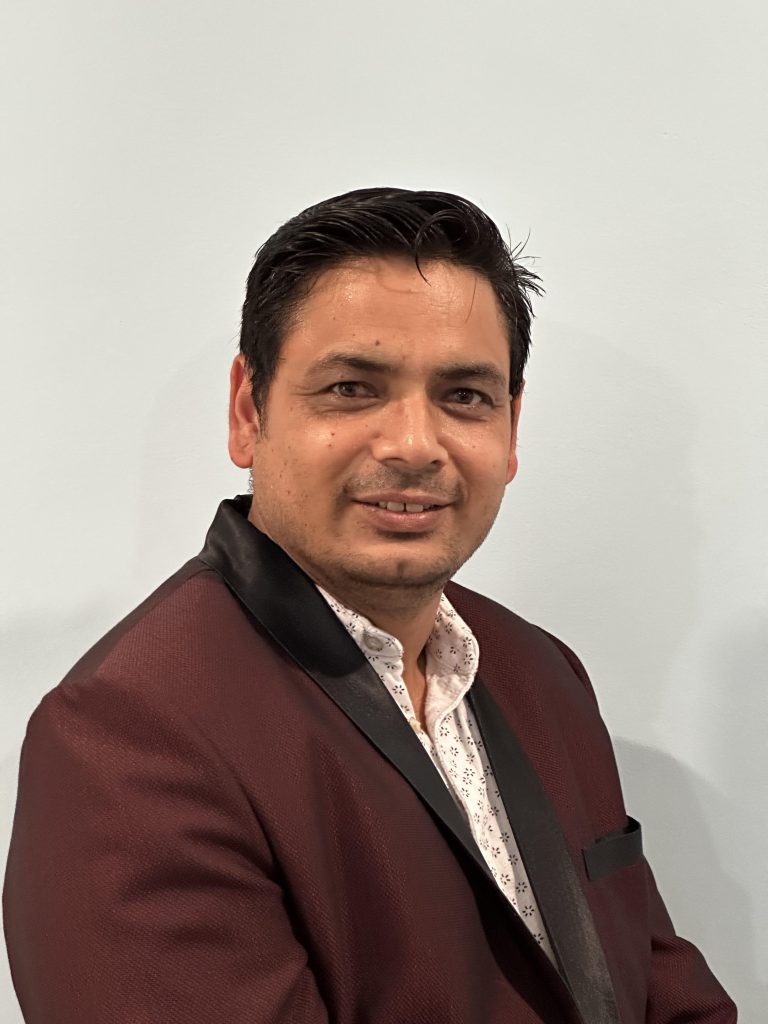
Ubaraj Subedi

November 13, 2023 in Uncategorized

Board of Director
Emailsubediyubaraj1@gmail.com
LinkedIn :

Ubaraj Subedi, a distinguished Certified Public Accountant (CPA) with over a decade of experience in the fields of accounting, audit, taxation, and strategic planning. Ubaraj’s expertise and commitment to excellence have made him a highly respected professional in his industry.

With a deep understanding of financial management and unwavering attention to detail, Ubaraj has consistently provided invaluable insights to individuals and businesses alike. His extensive knowledge and proficiency in strategic planning, business consulting, and business performance analysis have allowed him to guide organizations toward success and growth.

In addition to his CPA designation, Ubaraj holds the esteemed title of Fellow member of the Association of Chartered Certified Accountants (ACCA). This recognition not only highlights his exceptional achievements but also signifies his dedication to continuous professional development and staying abreast of the latest industry trends.

Ubaraj’s passion for serving the community is evident through his involvement as a Board Member of the Greater Boston Nepali Community (GBNC) since 2020. His commitment to making a positive impact and contributing to the welfare of others is truly inspiring. Ubaraj’s love for serving the community extends beyond his professional endeavors, showcasing his genuine desire to create a better world for those around him.

His dedication to open communication reflects his willingness to collaborate and support others in their financial and strategic endeavors.

Ubaraj Subedi is an exceptional CPA, renowned for his extensive knowledge in accounting, audit, taxation, strategic planning, and business consulting. His commitment to excellence, coupled with his love for community service, has solidified his position as a respected professional and a beacon of inspiration.
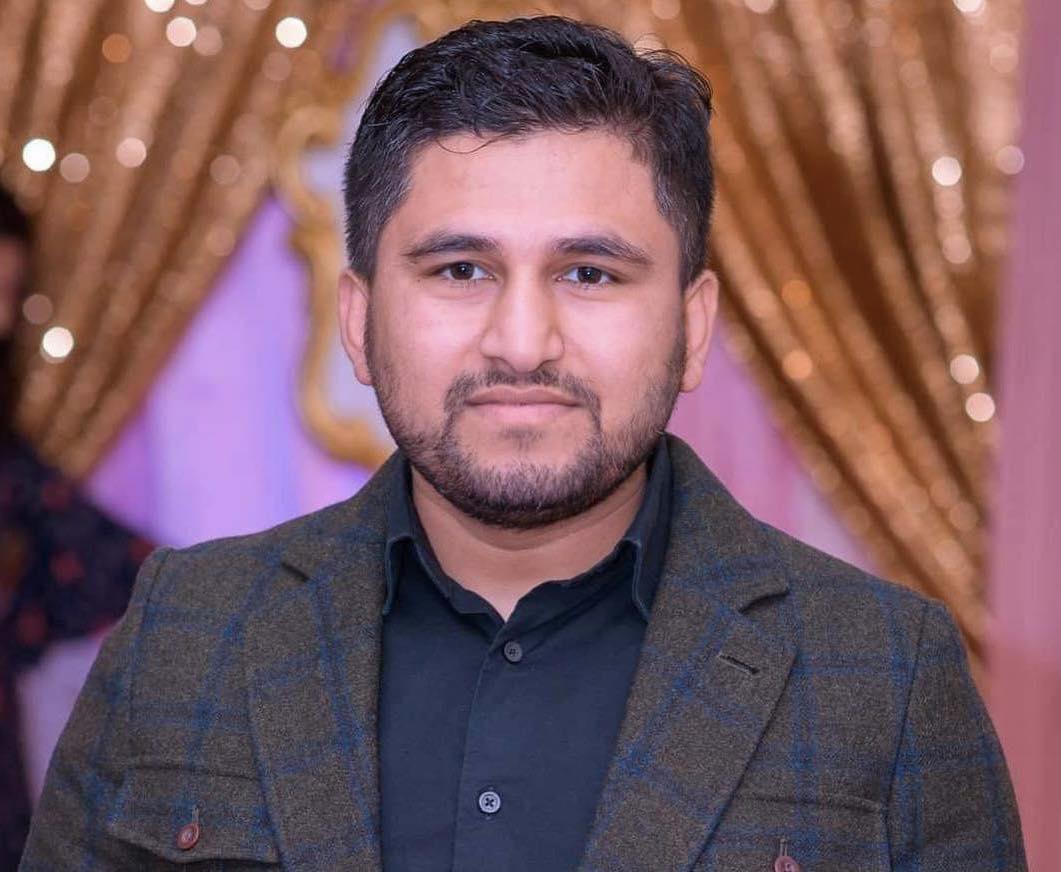
Ranjan Dahal

November 13, 2023 in Uncategorized

Board of Director

Email: rdahal@gbnc.org
LinkedIn : https://www.linkedin.com/in/ranjandahal/

Ranjan Dahal is a passionate Data Professional with a comprehensive background in Computer Science and Engineering Management. He earned his Bachelor’s degree in Computer Science from the prestigious University of Massachusetts, Boston, and further pursued a Master’s degree in Engineering Management from Northeastern University. With a keen interest in leadership, he has also acquired a Master Certificate in Gordon Engineering Leadership from Northeastern University.

Ranjan has over 10 years of experience in the technology field and is a United States Army veteran working in Apache Helicopter. Currently, he works at Wayfair, an ecommerce home décor company and is associated with KhelKud Inc, a non profit organization promoting health and wellness. 

Ranjan has a profound commitment to community service, which he expresses through his efforts to promote Nepali culture and provide support to those in need. His approach is rooted in mentorship, believing in the power of guidance and knowledge-sharing to uplift individuals and communities. Recognizing the importance of physical health in overall well-being, Ranjan also actively supports sporting events to foster a healthy lifestyle.

Currently, Ranjan serves as a board of director of the Greater Boston Nepali Community (GBNC), leveraging his professional acumen and personal commitment to guide those seeking employment and educational opportunities. He works diligently to advance the rich traditions of Nepali culture within the community and extend his mentorship to those who need it most.

Ranjan’s amalgamation of technical expertise, leadership skills, and unwavering dedication to community service make him an exceptional asset to any endeavor he undertakes.

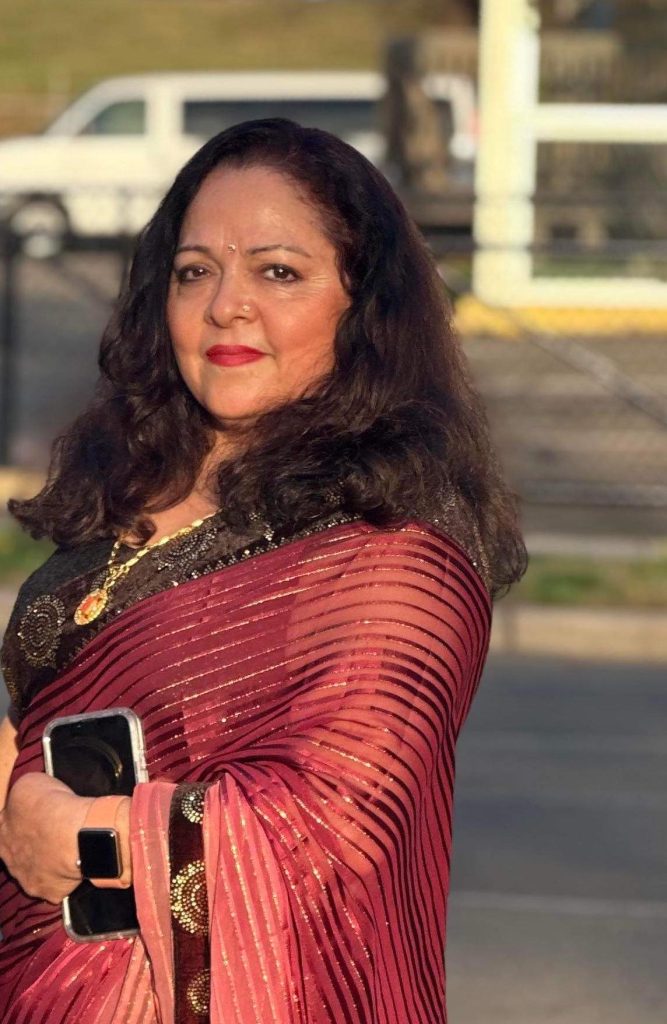
Ms. Sanu Barma Adhikari

November 13, 2023 in Uncategorized

Vice-President

Emailsbarma@gbnc.org
LinkedIn :

Sanu Barma Adhikari is a highly skilled and accomplished professional with a background in nursing and a robust presence in numerous civic and cultural organizations. She holds a Bachelor’s Degree in Nursing from the prestigious Tribhuvan University (TU) Teaching Hospital Nursing Campus. With her unwavering dedication to her patients’ care and wellness, she served as a Registered Nurse at Bir Hospital General and Neuro Surgery for an impressive 17 years, gaining comprehensive knowledge and hands-on experience in the healthcare field.

In addition to her healthcare pursuits, Sanu has showcased her exceptional leadership skills and commitment to her community by holding key positions in several local and international organizations. Since 2018, she has held the position of Founder Chair Person of the Creative Women Group of New England (CWGN), a platform that empowers and encourages the participation of women in creative pursuits. Her leadership continues to be instrumental in building the group into a force for change in the community.

Sanu has also dedicated herself to the Boston Metro West Nepali Community, where she has been serving as Vice President. Her leadership extends to the Pashupatinath Buddha Foundation of New England (PABFONE), where she served on the Board of Directors from 2022 to 2024, and later, joined the Board of Trustees in 2023. Her involvement in PABFONE showcases her devotion to preserving and promoting Nepali culture and spirituality in the diaspora.

Her community services also include being a Board of Director of the Greater Boston Nepali Community (GBNC) from 2020 to 2022, Vice President from 2022 – Present and the Non-Resident Nepali Association Massachusetts Chapter (NRNA Mass Chapter) from 2019 to 2021. In both roles, she actively contributed to the strengthening of Nepali communities in the Boston area.

To further her commitment to the promotion of Nepali culture and literature, Sanu is a lifetime member of the International Nepali Literary Society (INLS), an organization that brings together Nepali writers, poets, and scholars from around the world. This involvement reaffirms her unwavering commitment to preserving and celebrating Nepali heritage.

Sanu Barma Adhikari’s diverse professional and civic involvement underscore her dedication to healthcare, community service, cultural preservation, and women empowerment. Her contributions continue to have a profound impact on the communities she serves.

Mr. Sandip Bhattarai

November 13, 2023 in Uncategorized

Senior Vice-President

I’m Sandip Bhattarai, and I am involved in the entertainment industry, specializing in DJ services and event management. I am incredibly passionate about what I do and love bringing joy to people’s lives through music and memorable experiences.

Beyond my professional work, I also have a deep commitment to serving my community. I believe in the power of giving back and have been actively involved in various initiatives that aim to make a positive impact. Thank you for taking the time to get to know a little about me. I’m always excited to collaborate on new projects and events that allow me to utilize my skills while making a difference in the community.

by Ranjan Dahal

Featured

Mental Health

June 5, 2023 in Events

A mental health program is a comprehensive initiative designed to promote mental wellbeing, prevent mental disorders, provide care to individuals with mental health issues, and rehabilitate and integrate individuals back into society post-treatment. These programs aim to address a wide range of mental health conditions including depression, anxiety disorders, bipolar disorder, schizophrenia, and many more.

These programs can be implemented in various settings such as communities, schools, workplaces, and healthcare facilities, and can be tailored to different age groups and populations, including children, adolescents, adults, the elderly, and vulnerable populations such as refugees or people living with disabilities.

A mental health program typically includes the following components:

  1. Awareness and Education: To improve understanding of mental health issues, reduce stigma, and promote mental health literacy.
  2. Prevention and Early Intervention: To identify early signs of mental health issues and intervene promptly, including through programs in schools, workplaces and communities.
  3. Access to Care: Ensuring that those who need mental health services can access them in a timely manner, without facing barriers such as cost, stigma, or geographical location.
  4. Quality of Care: Ensuring that mental health services are person-centered, evidence-based, and culturally appropriate.
  5. Support and Rehabilitation: Helping individuals with mental health issues to recover and reintegrate into society, including through vocational training, housing support, and peer support programs.
  6. Policy and Advocacy: Working towards mental health policies that promote the rights and wellbeing of people with mental health issues, and advocating for the inclusion of mental health in public health agendas and other relevant policy domains.
  7. Research and Evaluation: Undertaking research to understand the causes and consequences of mental health issues, and evaluating the effectiveness of mental health interventions and programs.

Mental health programs may be delivered by a range of professionals including psychiatrists, psychologists, social workers, occupational therapists, and trained peer support workers, among others. The success of these programs often depends on a supportive policy environment, adequate resources, and strong collaboration between different sectors including health, education, social services, justice, and employment.

by Ranjan Dahal

Featured

Vijaya Dashain

June 5, 2023 in Events

Dashain, also known as Vijaya Dashami, is the most auspicious and longest festival celebrated by Nepalese people all over the world. It typically falls in late September or early October, depending on the lunar calendar.

The festival commemorates a great victory of the gods over the wicked demons. One of the victory stories told is the Ramayana, where Lord Rama with the blessings of the goddess Durga killed the great demon Ravana. The other story involves Lord Durga’s victory over the demon Mahishasura. Both represent the victory of good over evil.

The festival lasts for 15 days, with the most important days being the first, seventh, eighth, ninth, and the tenth. Each day of the festival has its own importance, rituals, and ceremonies.

  • Ghatasthapana (Day 1): The festival starts with the sowing of maize and barley seeds in a pot called a “ghada,” symbolizing the goddess Durga. It is covered and kept in a sacred and clean place where sunlight doesn’t reach.
  • Phulpati (Day 7): A collection of sacred plants and flowers is brought to the home from the Gorkha district in a parade.
  • Maha Asthami (Day 8): The fiercest form of Goddess Durga is worshiped and animals are sacrificed at temples as a symbol of submission and respect to the goddess.
  • Maha Navami (Day 9): The official military sacrifices are held in one of the Hanuman Dhoka royal palaces, the Kot courtyard. On this day, tools, machines, and vehicles are also worshipped.
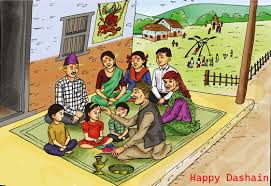
  • Vijaya Dashami (Day 10): On this day, elders put a mix of rice, yogurt and vermilion (Tika) on the forehead of younger relatives, along with Jamara (the barley shoots grown from the first day). This act is supposed to bring blessings of the goddess Durga. Elders give “Dakshina,” or a small amount of money, along with the blessings.

In addition to these religious and cultural aspects, Dashain is also a time for family gatherings, feasts, and flying kites. People from far and wide return to their home villages and towns, leading to a sort of mass migration within Nepal during this festival.